Introductory Biomedical Imaging

Simulations


Simulations

Introductory Biomedical Imaging explores principles and practices behind both light microscopy, which is used to study cells and tissues, and medical imaging, which is used to study organs and whole bodies. The book includes demonstrations and hands-on activities that complement and reinforce the conceptual and theoretical descriptions. This website augments those materials with four comprehensive suites of interactive medical-imaging simulations covering (1) ultrasound imaging, (2) radiography, (3) radionuclide imaging, and (4) magnetic resonance imaging. The simulations explore the basic physics underlying each technique, factors determining spatial resolution and contrast, and exemplary applications. The sets of simulations have been vetted in undergraduate courses at Lewis & Clark College and Portland State University, among others, and can be accessed below. The simulations were built with flexibility in mind, making them suitable for both upper-division interdisciplinary physics courses and introductory physics courses for life science students. They are self-contained and can be used completely independently of the book.

...

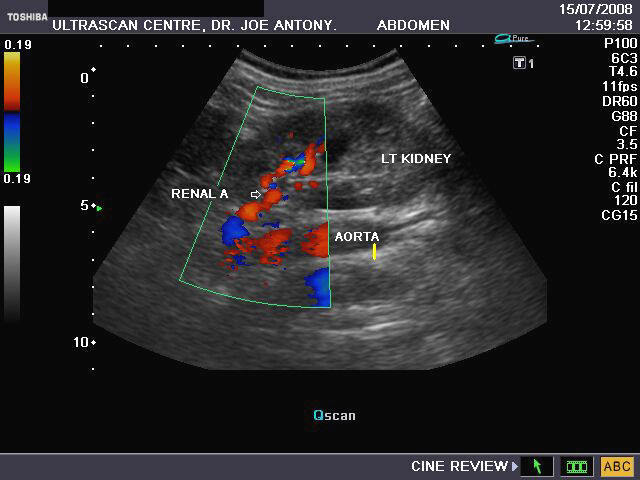
Ultrasound Imaging

Ultrasound imaging uses pulses of high-frequency sound to create real-time images of soft tissues and blood flow.
...

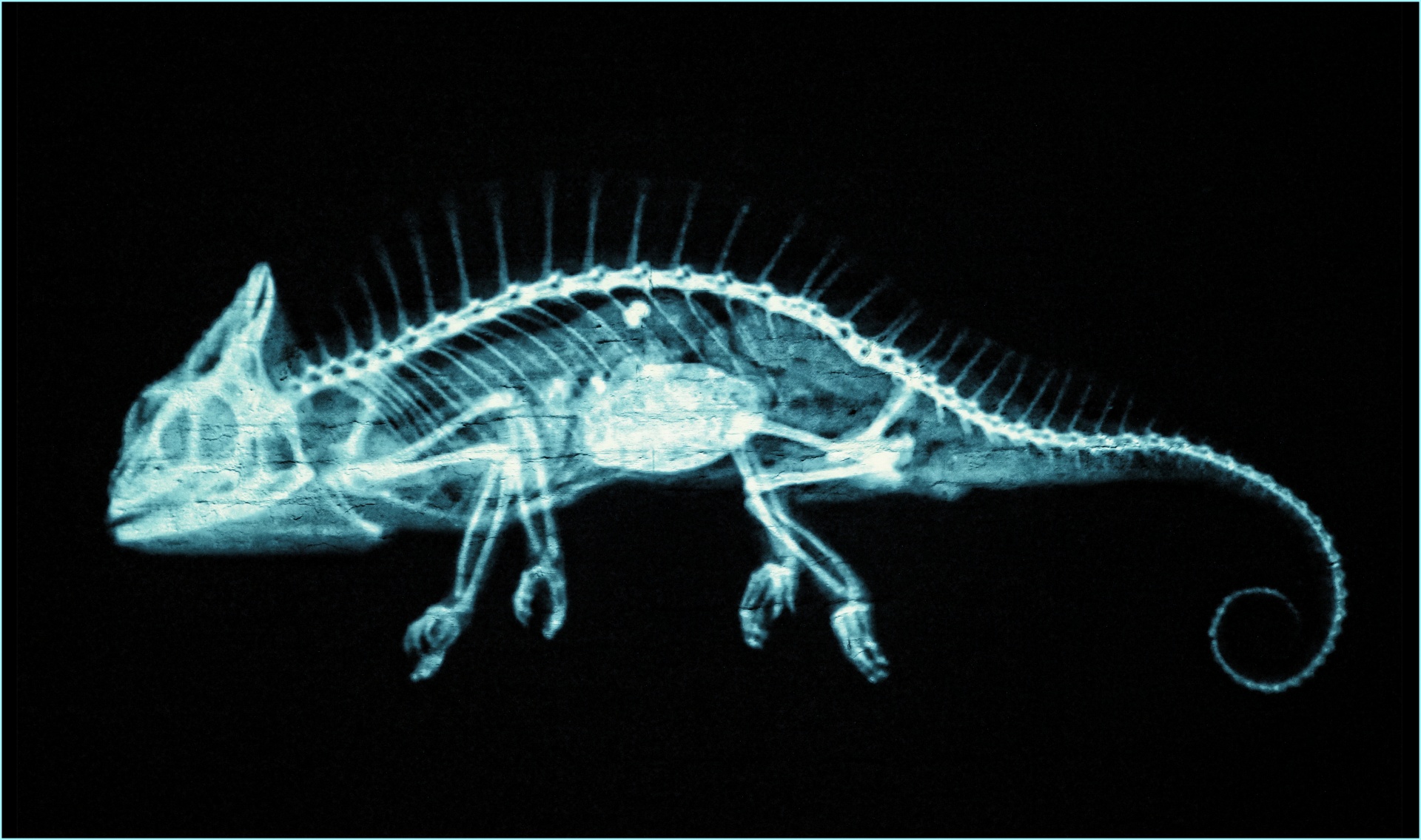
X-Ray Imaging

Radiography uses high-energy X- rays to create images of anatomical structures.
...

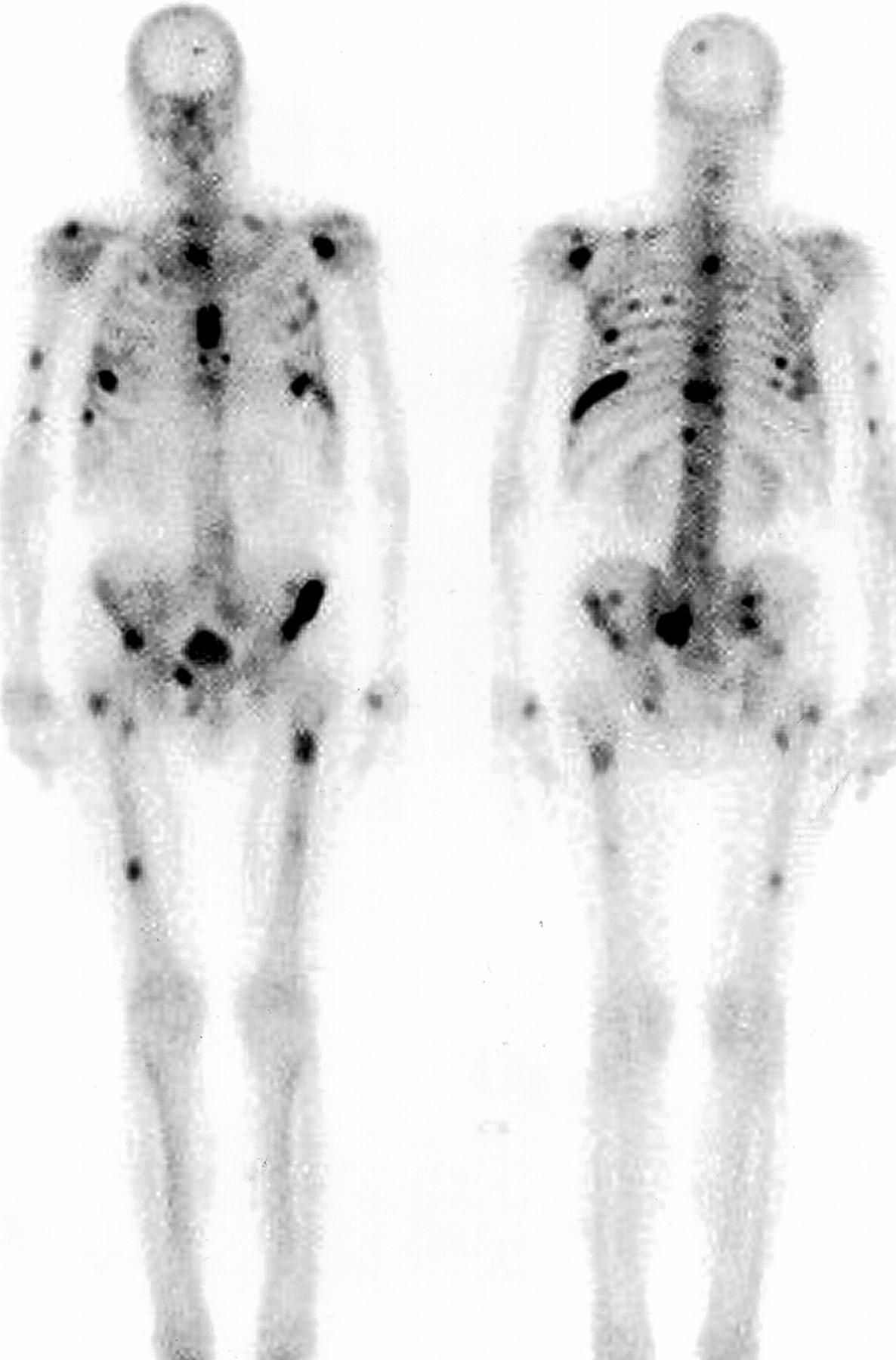
Radionuclide Imaging

Radionuclide imaging uses radioactivity to create images of physiological activity.
...

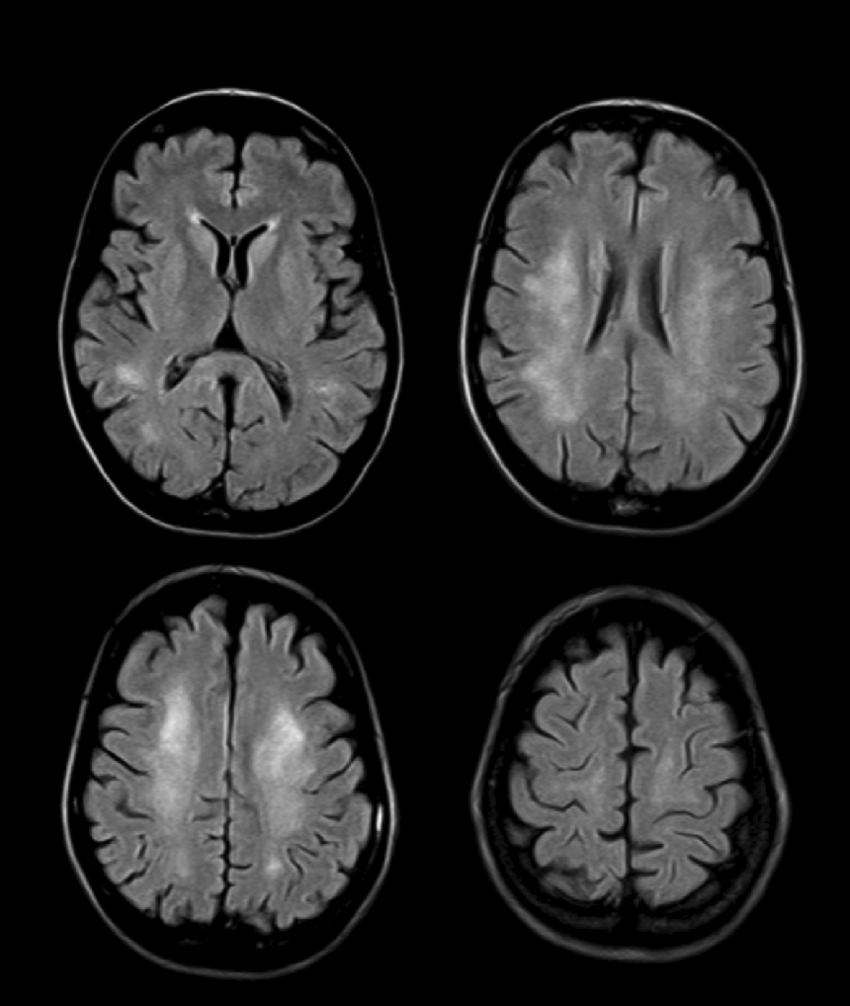
Magnetic Reasonance Imaging

Magnetic resonance imaging (MRI) uses magnetic field gradients to create images showing both anatomy and physiological activity.

These simulations were developed under NSF IUSE grants DUE-2315741 and DUE-2315742 to Principal Investigators Bethe Scalettar of Lewis & Clark College and Ralf Widenhorn of Portland State University, respectively. Assistance was provided by (in alphabetical order) James Abney, Uri Boaz, Cassandra Croft, Nicholas Dill, Kathleen Harper, Jeremy McWilliams, and Hugh Pettitt-Kenney.